Field notes: the week we almost issued a public notice and didn't
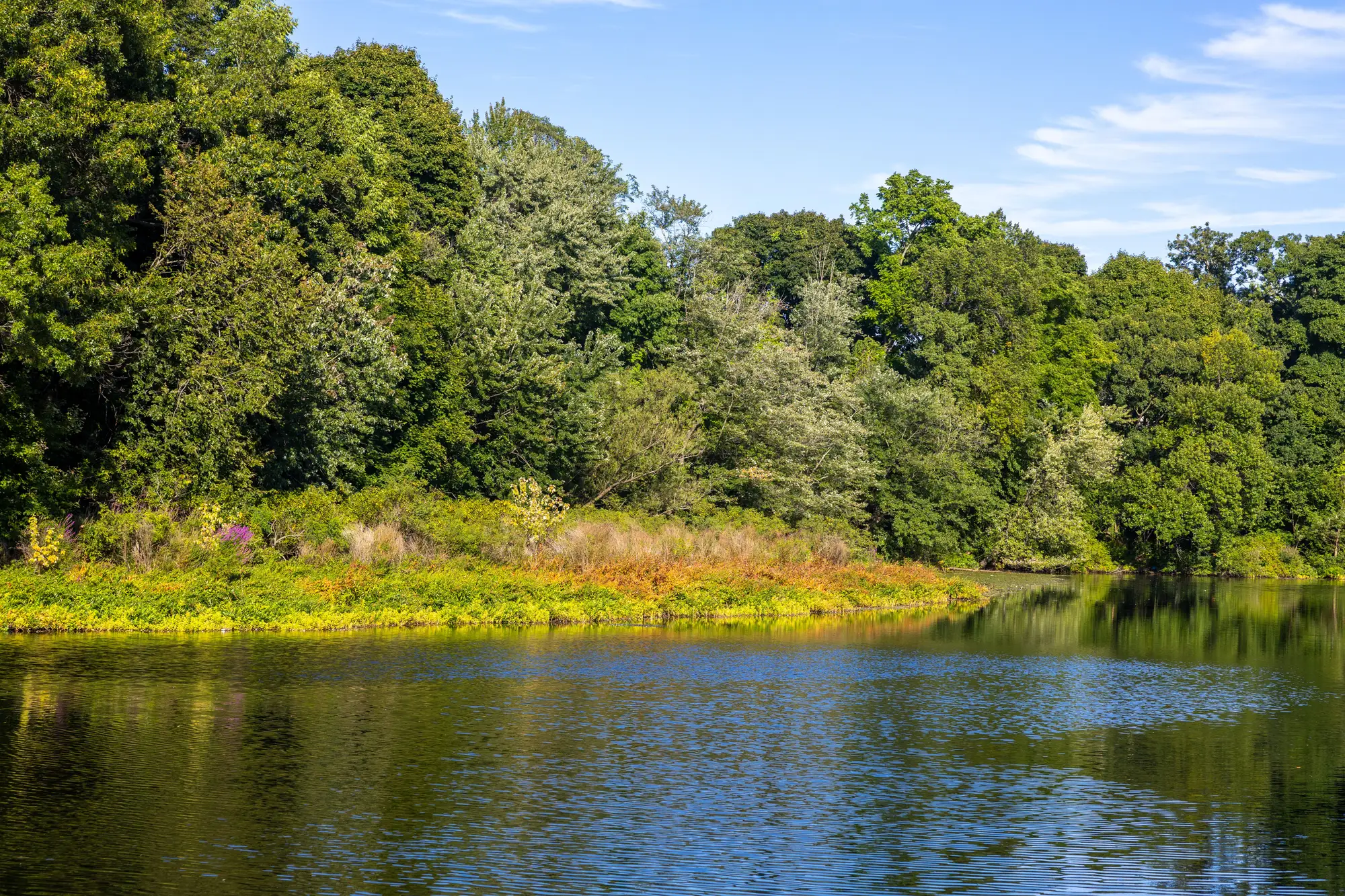
Late August, the water was warm enough to make everyone a little jumpy. A kayaker called the office Tuesday morning about a green streak near the north cove, maybe two hundred yards off the old boat ramp. Not near the intake. Still, you don't ignore that call in August.
I drove out before lunch. The streak was real, a thin ribbon of color pushed up against the shoreline by the wind, the kind of thing that could be nothing or could be the leading edge of something that turns into a cyanotoxin advisory three days later. I grabbed a sample, bagged it, and called the lab to see if they could rush a microcystin screen. They could, but not until Thursday. That's the part nobody outside this job understands: the lab doesn't run on your schedule, and a sample sitting in a cooler for two days doesn't tell you much about where the bloom is moving.
So I did what I've done for years. I pulled up wind data, checked the reservoir's thermal layering from the buoy, and tried to guess whether that streak would drift toward the raw water intake or get pushed back into the cove and die off on its own. I've gotten decent at this over time, but it's still a guess dressed up as a judgment call. The board wants a number. The state primacy agency wants documentation. And I had a green streak and a hunch.
Wednesday the wind shifted out of the southwest, which in that reservoir usually means things move toward the dam, away from our intake on the east shore. I held off on calling it in. Thursday the lab results came back low, under the threshold, no advisory needed. By Friday the streak had broken up entirely, probably helped along by a half-inch of rain overnight.
Nothing happened. No notice went out, no boil order, no angry calls from the water department fielding questions from customers who read something on social media before we'd confirmed a thing. But I spent three days running on wind models and a cooler full of water instead of knowing where that bloom actually was and whether it was spreading. The testing works fine once you've got eyes on the right patch of water. It's the three days before you know where to point the sample bottle that cost me sleep.
I've started paying closer attention to what a daily look at the reservoir's actual bloom footprint could have told me that week, since a system built around daily-in-season satellite passes over the source reservoir would have flagged that green streak by its spectral signature the morning it formed, before the kayaker ever called, and tracked whether it was drifting toward the intake or breaking up on its own. That's the lead time this job is always short on: knowing where to look before someone else tells you to.
Talk to anyone who's worked source water protection long enough and they'll have their own version of this week. A tip, a guess about wind, a lab that can't turn results around until Thursday, and a public notice decision that gets made on timing as much as toxin levels. Most weeks end the way mine did, with nothing to report. The weeks that don't are the ones you remember, and usually what you remember is wishing you'd had two more days of warning.
If your reservoir has a season where this kind of week shows up more than once, it might be worth seeing what Algal Bloom Warning flags before the next green streak gets reported by someone with a kayak instead of a sensor.