Blog
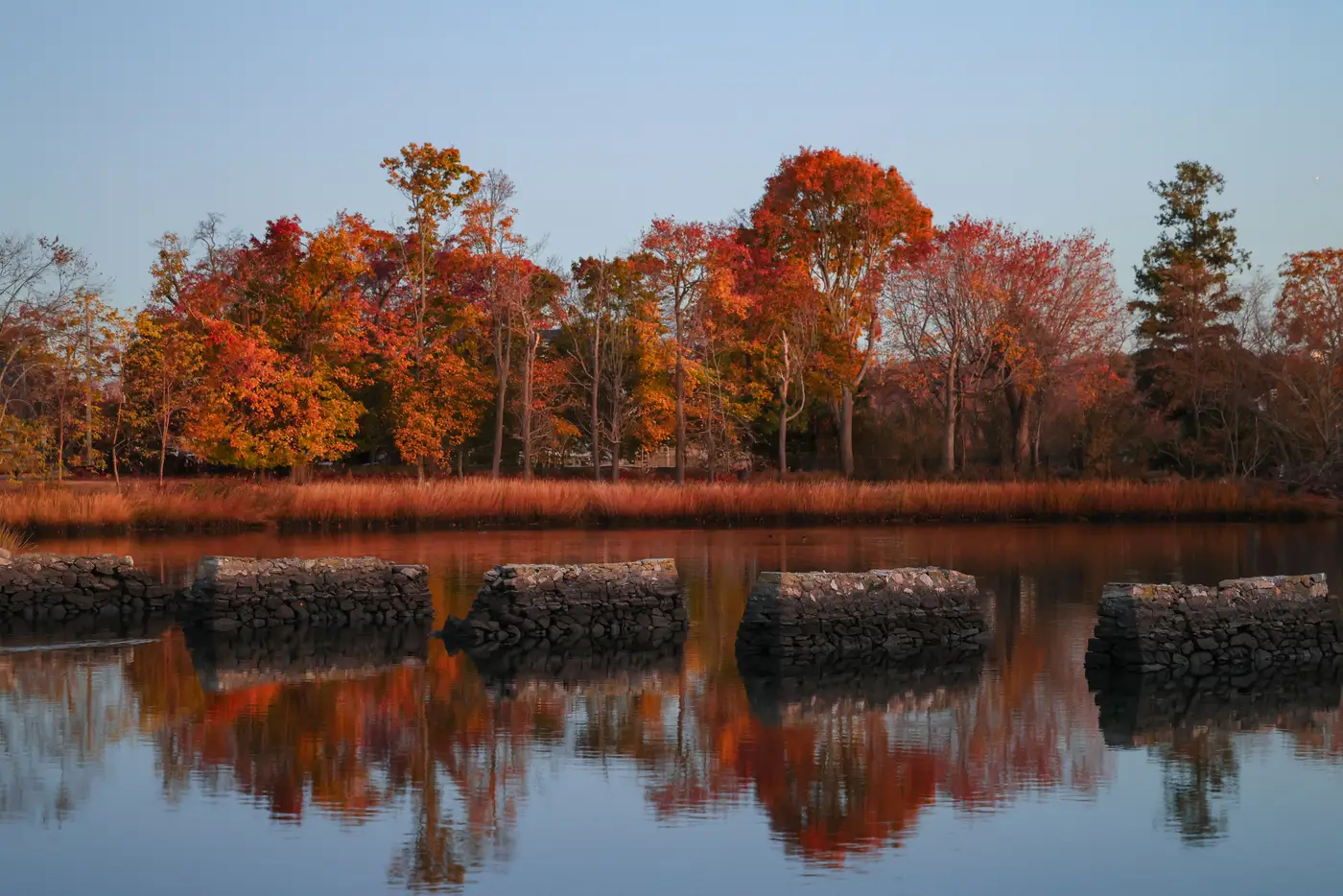 Field notes: the bay that blooms the same week every October
A source water team's notes on a cove that turns green every fall at the same week, and what that timing pattern is actually telling them.
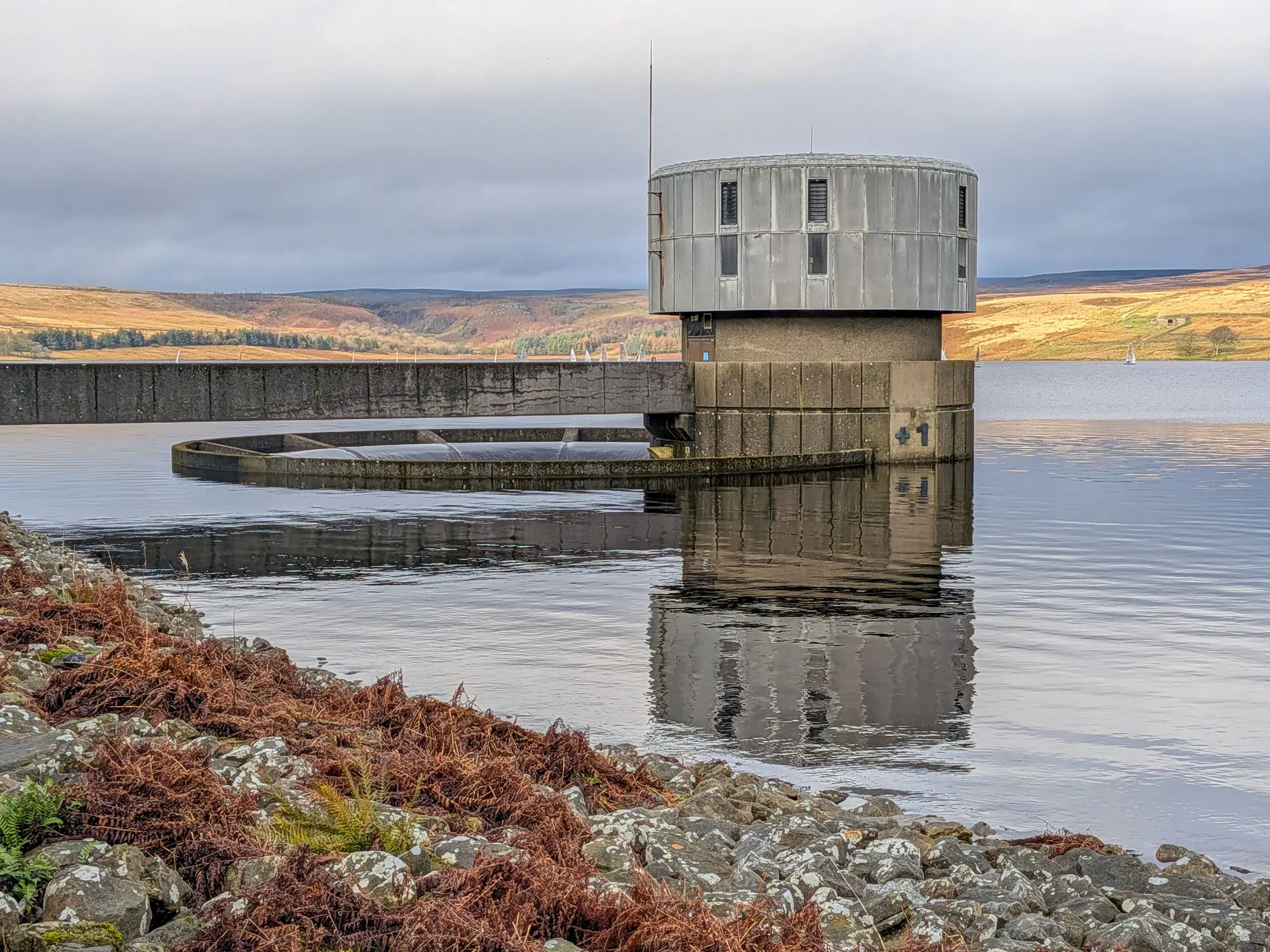 How to decide when to lift a public notice after a bloom clears
How bloom clearance actually works: why a trend flag dropping isn't the same as a confirmed do-not-drink notice being safe to lift.
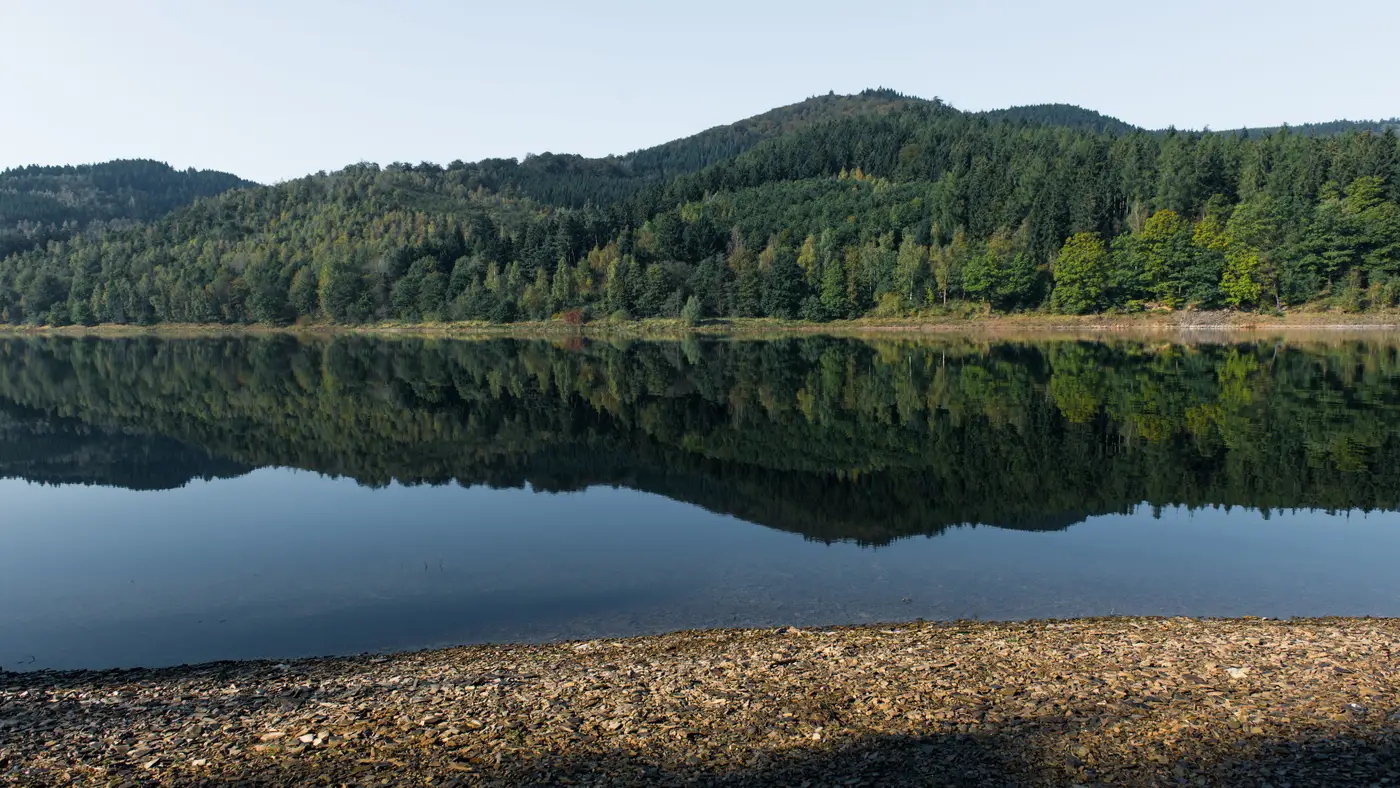 How much lead time can satellite bloom monitoring give an intake operator?
Satellite bloom monitoring buys an intake operator real days, but how many depends on revisit cadence, bloom speed, and where on the reservoir it forms.
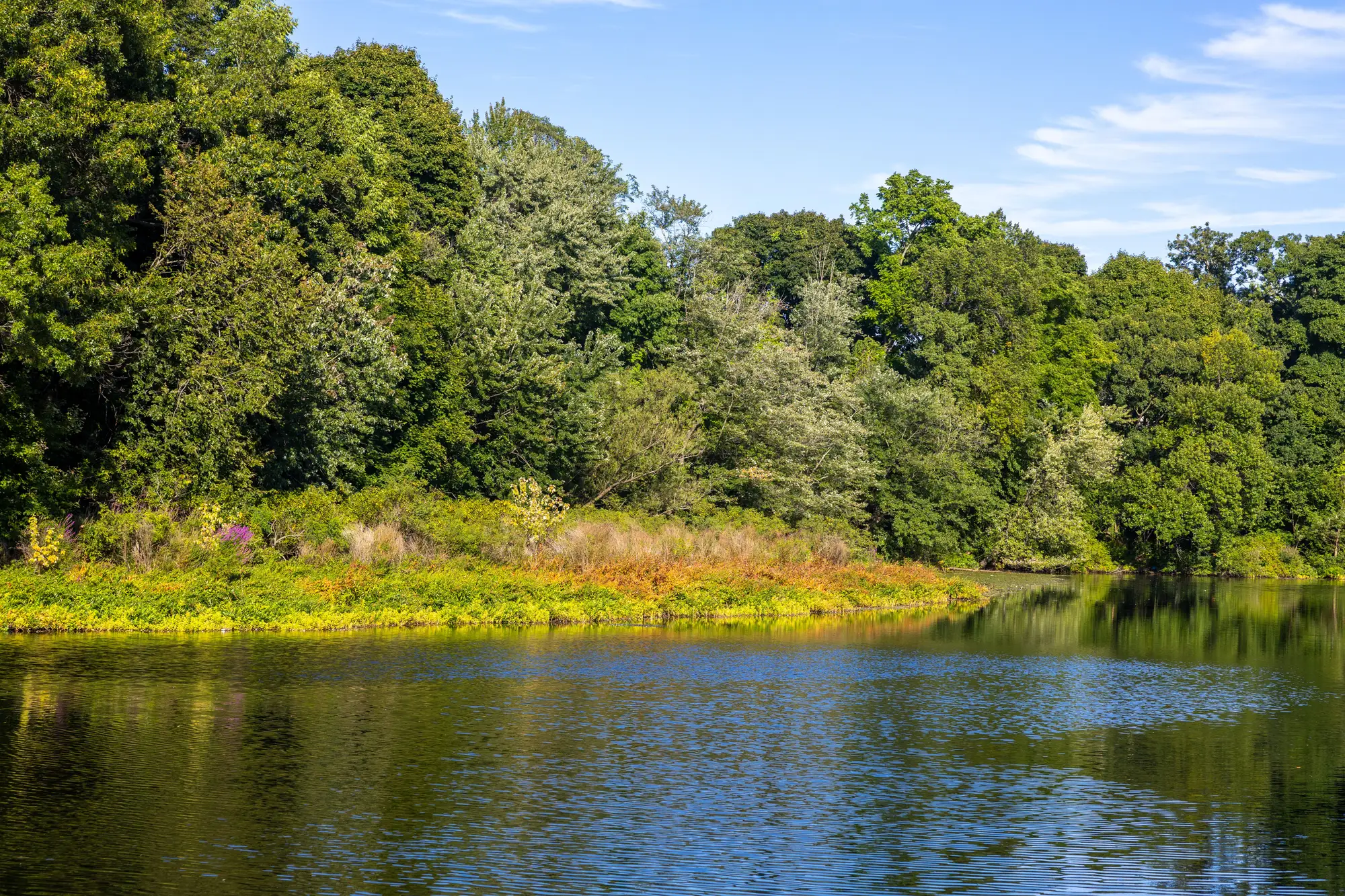 What a bloom extent flag is and how source water teams use it
A plain explanation of what a bloom extent flag is, how the spectral signature behind it works, and how source water teams use the trend note.
- Field notes: the week we almost issued a public notice and didn't
A source water officer's field notes on a close call: a reported bloom, a guessing game with wind data, and the three days before lab results came back.
- Blue-green algae vs. golden algae: reading the signal in satellite imagery
How cyanobacteria and golden algae show up differently in satellite imagery, and where imagery alone stops being enough for a reservoir ID.
 Raw water vs. finished water cyanotoxin testing: where the numbers diverge
Raw water and finished water cyanotoxin results measure different things. Here's where to sample each and why the numbers rarely match.
 What a sanitary survey actually covers in your watershed
A plain look at what shows up in a watershed sanitary survey, how it differs from a source water assessment, and why bloom history gets noted.
- How to tell a sediment plume from a cyanobacteria bloom in satellite imagery
Learn how to tell storm sediment plumes from cyanobacteria blooms in satellite imagery using band signatures, timing, and trend patterns.
- The first flag of the season
A field note on what actually shifts in the daily routine once the first bloom flag of the season hits your reservoir.
- Setting intake draw depth to dodge a surface bloom
A source-water operator's guide to picking an intake draw depth on a multi-level tower before a surface bloom reaches it.
 Cyanobacteria index vs. chlorophyll-a: what's the difference?
Cyanobacteria index and chlorophyll-a measure different things. Here's what each one tells a source water program and why it matters.
- How fast do cyanobacteria blooms spread across a reservoir?
Why bloom movement across a reservoir depends more on wind than growth rate, and what that means for intake timing and notice decisions.
- What is bloom drift, and why does it matter for intake timing?
Bloom drift moves cyanobacteria toward your intake on wind and currents. Here's what that means for intake timing and shutdown planning.
- Chlorophyll-a vs phycocyanin: what each pigment tells you about a bloom
Chlorophyll-a and phycocyanin measure different things in a bloom. Here's how each pigment fits into a reservoir sampling program.
- Setting a cyanotoxin action level for public notice decisions
How source water staff build a microcystin action level and public notice trigger from EPA health advisories, lab method limits, and bloom trend data.
- Satellite imagery vs. grab sampling for reservoir bloom monitoring
Grab sampling confirms toxin levels in a lab; satellite imagery shows where blooms are forming across the whole reservoir. Here's how the two fit together.
- What causes reservoir turnover, and why it matters at the intake
Why reservoirs turn over each fall, how thermocline breakdown works, and why it can trigger late-season cyanobacteria blooms at your intake.