Setting intake draw depth to dodge a surface bloom
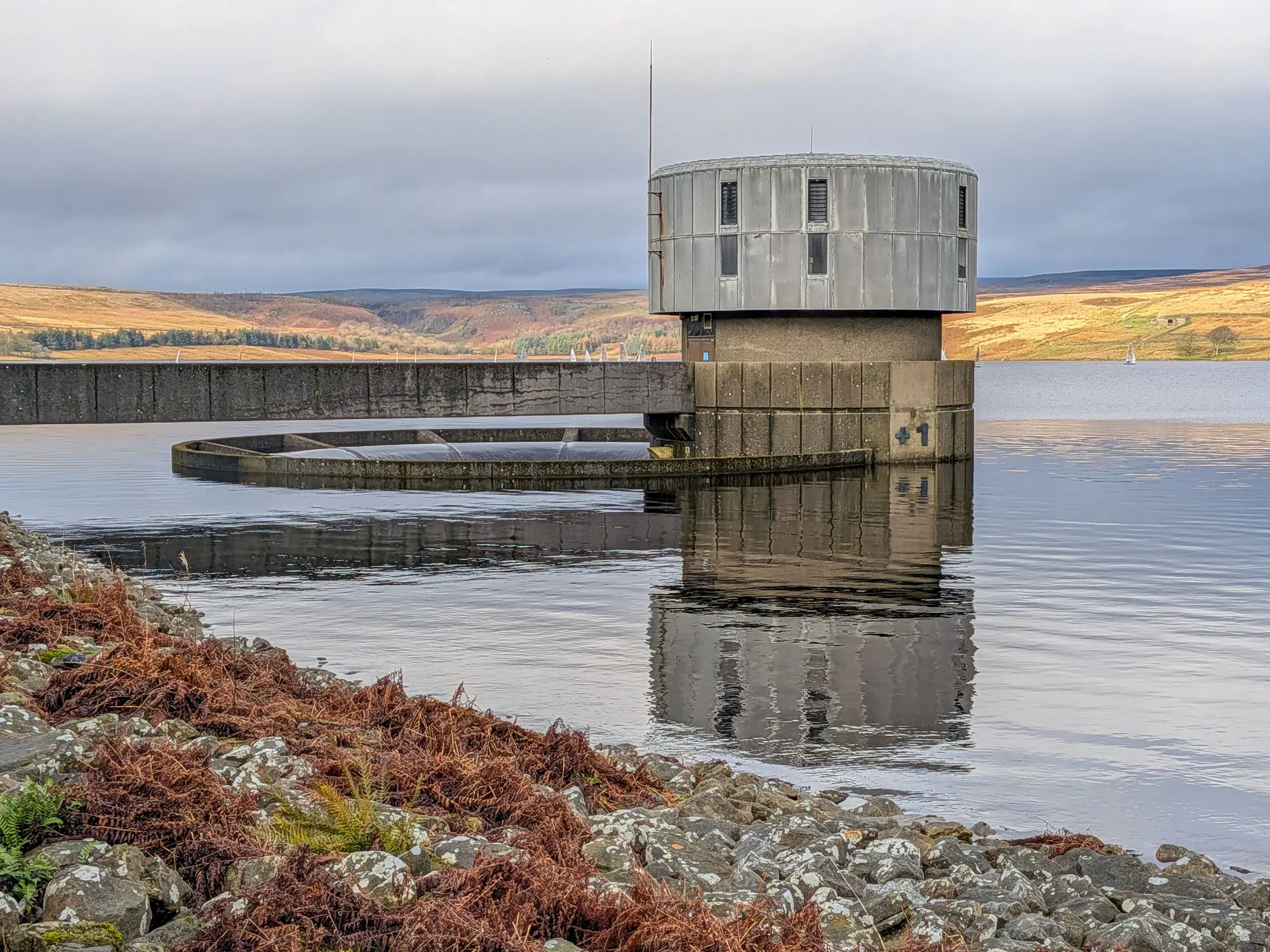
If you run a multi-level intake tower, you already know draw depth is the cheapest lever you have against a surface bloom. No chemical feed to dose, no plant process to adjust, just open a different gate. The hard part is knowing which depth to pick, and how much time you have before the bloom you're watching drifts over your intake and makes the decision for you.
Why the thermocline is your real decision point
Cyanobacteria that form nuisance blooms (Microcystis, Dolichospermum, Aphanizomenon) are buoyant. Most species carry gas vesicles that let them ride up into the top meter or two of the water column on calm, sunny days, then mix back down when wind churns the surface. That's why a bloom can look alarming from the bank at 2 p.m. and be mostly gone from the surface by evening, only to reform the next afternoon.
Once your reservoir stratifies, the thermocline becomes the line that matters more than any fixed depth in feet. A bloom sitting in the warm epilimnion usually hasn't mixed into the cooler water below the thermocline yet, and cell counts and extracted cyanotoxin (particularly microcystin, which is the one most labs are set up to run) typically drop off fast once you're a few meters under it. Deep water isn't immune to a bloom. The bloom just hasn't mixed down there yet, and pulling from below the thermocline buys your treatment process a few hours or days before it does.
What you're trading away when you go deeper
Dropping to the hypolimnion always costs you something else. Below the thermocline in a stratified reservoir you're often dealing with lower dissolved oxygen, and in reservoirs that stratify hard or stay stratified a long time, you can pick up dissolved manganese, iron, or even hydrogen sulfide off the sediment. Your operators have probably already felt this tradeoff during a long hot stretch: the bloom port looks clean on a grab sample, but now coagulation needs adjusting and someone's fielding a taste-and-odor complaint.
So the real question for a multi-level tower isn't "deep good, shallow bad." It's which port gives you the best cyanotoxin margin for the least hit to everything else you're treating for. That's a bench decision, and it's one you want to make with the tower, bathymetry, and historical profile data you already have on hand, not from a textbook ratio.
A rough sequence for the decision
- Pull a current temperature and DO profile. Stratification depth shifts through the season, so a reading from three weeks ago won't tell you where the thermocline sits today.
- Check where the bloom is sitting relative to that thermocline right now, using whatever combination of chlorophyll probe, Secchi depth, and visual surface check your utility runs.
- If the bloom is still confined to the epilimnion, shift draw to the port just below the thermocline rather than jumping straight to the deepest available port. You want the smallest move that gets ahead of the cell density, not the biggest.
- Recheck after any wind event. A strong blow can mix a surface bloom down several meters in hours, which erases the margin you just bought yourself.
- Log the port change with a timestamp and the profile reading that drove it. When a cyanotoxin result comes back a day or two later, you'll want to know exactly what the intake was doing when that water was drawn.
The part that trips most source water staff up is timing the gate change early enough to matter. A bloom visible from the dam or confirmed on a grab sample has usually been building for days already. By the time you see it, you're working off stale position data, days behind the bloom's actual drift toward the intake.
That's the gap a daily watch on the reservoir's spectral bloom signature is meant to close, giving you a heads-up on bloom extent and direction while there's still time to pick a port before the scum reaches the tower. If you want that kind of lead time built into your routine checks, see how Algal Bloom Warning tracks bloom formation on your reservoir before it reaches the intake.
Worth setting up a standing draw-depth protocol now, before the next bloom season gives you a reason to need one.