How to decide when to lift a public notice after a bloom clears
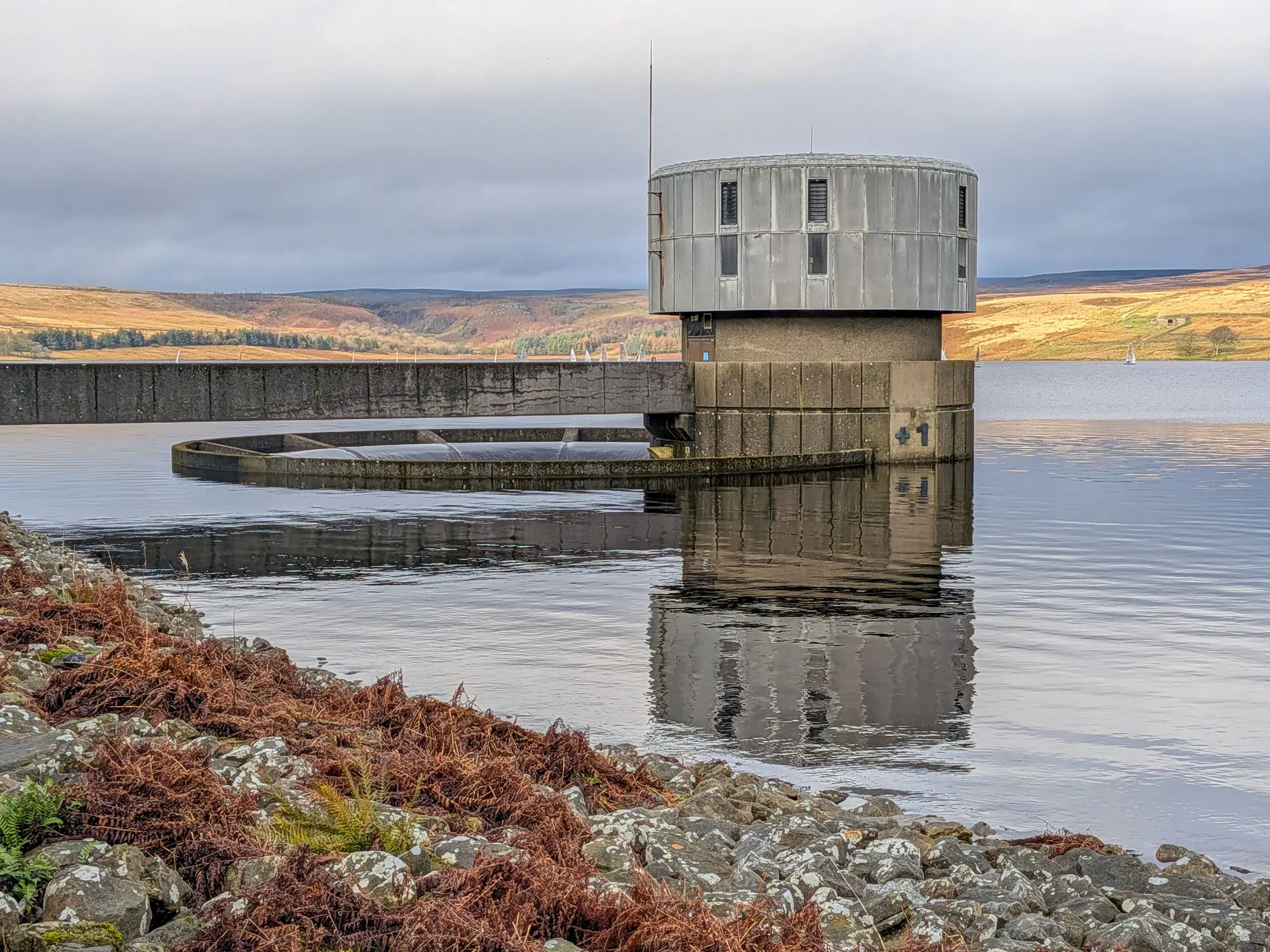
The scum is gone, the water looks normal again, and your phone has already started ringing with people asking when the do-not-drink notice comes down. That's the hard part of a bloom event. The visible crisis ends days before you have the data to rescind anything, and explaining that gap to a city council or a nervous customer is its own job.
Lab results, not a clear reservoir, lift the notice
A notice gets lifted on lab results, not on what the reservoir looks like from the bank or from a satellite pass. Most state frameworks (built on EPA's health advisory approach for microcystin and the other common cyanotoxins) require two consecutive sample results below your action level, pulled from the right locations, usually the raw intake and a representative point in distribution, before you can rescind. The sampling interval between those two rounds is typically set by your state drinking water program, often 24 to 48 hours apart, and your notice doesn't come down until both rounds clear.
What determines the notice date is whether toxin production has dropped and stayed down long enough for two clean samples in a row, a timeline that runs on its own clock separate from how the reservoir looks. That second timeline is almost always longer than people expect.
Why toxin levels can lag behind the visible bloom
This is the part that trips up a lot of notice decisions. Cyanobacteria cells don't release most of their toxin while they're alive and visible as a surface scum. They release it when the cells die and rupture, which is exactly what happens as a bloom senesces, breaks apart in wind and wave action, or gets treated with an algaecide. So it's entirely normal to see the mat disperse, the water clear up visually, and then watch a toxin sample come back higher than the one taken while the bloom was still thick. Pulling your first confirmatory sample the day the scum disappears is how utilities end up extending a notice they thought they were about to lift.
Visible clearing starts your confirmatory sampling clock. Give the cell lysis window a day or two before pulling that first confirmatory round, especially after any copper-based or other algaecide treatment, then wait on the lab result before contacting the health department about rescinding anything.
How much lead time a trend flag buys you
Where a daily read on bloom extent earns its keep is in the planning before any of this starts. Knowing a bloom is forming and spreading toward your intake, days before it's visibly affecting raw water quality, gives your operations team time to line up lab capacity, pre-position sample bottles and chain-of-custody paperwork, and decide when to shift intake depth or draw point before the problem is already at the crib. The same trend note matters on the back end: watching the spectral extent shrink and flatten tells you the bloom itself is breaking up, which is your cue to schedule that first confirmatory sample rather than waiting on a visual check from whoever happens to be at the reservoir that morning.
That's the use Algal Bloom Warning is built around: a daily-in-season read on your source reservoir that flags bloom formation and extent before it reaches the intake, with a trend note through the season so you're not relying on someone driving out to look at the water. It doesn't replace your lab's action-level sampling. It buys the lead time to schedule that first confirmatory round sooner, which starts the clock toward lifting the notice.
A bloom response plan that runs on whoever spots the scum first needs fixing before the next season starts.
Worth looking at Algal Bloom Warning if that sounds like your current setup.