Setting a cyanotoxin action level for public notice decisions
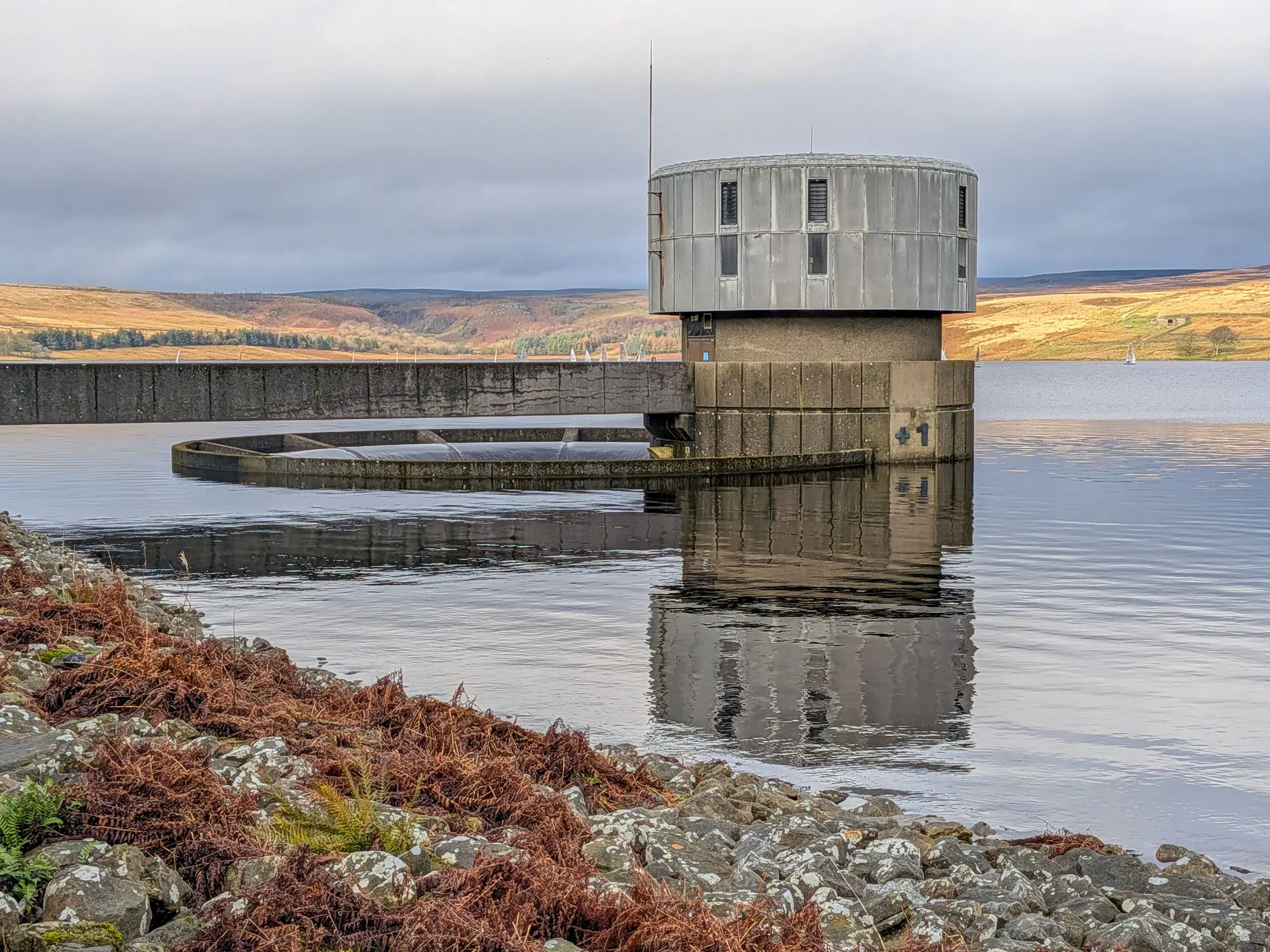
Most utilities don't pull a cyanotoxin action level out of a regulation. There isn't one federal number that forces a public notice the way the Lead and Copper Rule or a nitrate MCL does. What you have instead is EPA's 2015 health advisory for microcystins, which most states have folded into their own guidance in different ways, plus whatever your state primacy agency has layered on top. Building a workable action level means stitching those pieces together into something your operators can actually act on at 2 a.m.
Start with the health advisory numbers, then adjust for your plant
EPA's ten-day health advisory for microcystins sits at 0.3 µg/L for bottle-fed infants and pre-school children, and 1.6 µg/L for school-age kids through adults, measured in finished drinking water. Cylindrospermopsin has its own pair of numbers. These are health-based reference points for finished water, built around a ten-day exposure window, not a legal threshold and not a number anyone wrote with a public notice decision in mind.
Most state programs that have built an actual public notice requirement around cyanotoxins use the infant number, 0.3 µg/L, as the finished water trigger, because it's the more protective of the two and it covers the whole service population without needing a sub-population carve-out. If your state hasn't formalized a number, that's the one to anchor on when you write your own plan. Set a lower internal action level in raw water, somewhere your treatment barrier gives you margin before finished water ever gets close to 0.3, and use that raw water number to trigger increased sampling and treatment adjustments before you're anywhere near a notice decision.
A few things that trip people up when they first draft this:
- ELISA kits used for screening have a different sensitivity than LC-MS/MS confirmatory methods, and ELISA tends to run higher on total microcystin because it doesn't distinguish congeners the way mass spec does. If your action level is written against an ELISA screen, say so explicitly, and define what confirmatory testing happens before you escalate.
- Raw water action levels should trigger a treatment response, not a notice. The public notice trigger belongs in finished water, after your barriers have had a chance to work.
- Write the action level as a sustained exceedance over a defined sampling interval, not a single grab sample. One high reading during a wind-driven surface scum at the intake can read very differently than the bulk reservoir concentration two days later.
Build the escalation steps around what your treatment can actually remove
A single number doesn't make a plan. What makes it usable is a tiered response: a watch level that bumps sampling frequency and alerts the treatment team, an action level that triggers additional barriers (powdered activated carbon dosing, intake depth changes, oxidant adjustments), and a public notice level tied to a confirmed finished water exceedance of your chosen threshold. Each tier needs an owner and a timeline written down before bloom season starts, not drafted while someone's reading a lab report at the end of a long day.
The gap most plans have is lead time: the time between when a bloom starts forming on the reservoir and when it's close enough to the intake to matter. A grab sample at the intake tells you what's there today. It doesn't tell you a bloom patch formed two miles upriver last week and has been drifting toward your draw point since. That's the piece worth closing before you finalize your escalation steps: something that flags bloom extent on your reservoir while it's still forming, so your watch level triggers on trend, not just on a number that already showed up at the raw water intake. A daily-in-season read on bloom extent across your reservoir gives you that earlier flag and a trend note to go with it.
Once the thresholds and the tiers are on paper, the last step is a tabletop run-through with whoever signs off on public notices, so the first time the plan gets used isn't during an actual bloom. If you're still working out where your watch level should sit relative to your public notice trigger, it's worth looking at what a bloom extent flag could add to that first tier.